
- August 7, 2026
- Posted by: 19296d1d59a7
- Category: Uncategorized
Have you ever sat down to play, only to realise halfway through that you have no idea how much you intended to spend? You are not alone. Most punters treat their bankroll like a walk-in wardrobe, assuming everything will fit together until they need to get out quickly. The truth is messier. You need a plan before the first card is dealt or the first reel stops spinning. That is where session budget planning casino Australia comes in, and it is less about restriction and more about knowing your limits before the mood shifts.
This common budgeting trap can quickly turn a relaxing pastime into an unnecessary financial headache. Establishing a clear spending limit before you begin helps you keep your project enjoyable and your finances balanced. For practical tips on mindful crafting budgets and yarn management, visit https://bizzycrochet.com/.
Think of it like checking the tide before you head out on a boat. You do not need a chart for every trip, but you do need to know whether the water is rising or falling. The same logic applies when you are sitting at a screen or a felt table with money on the line. A clear plan keeps the night fun instead of turning it into a second job.
Work out your hard limit first
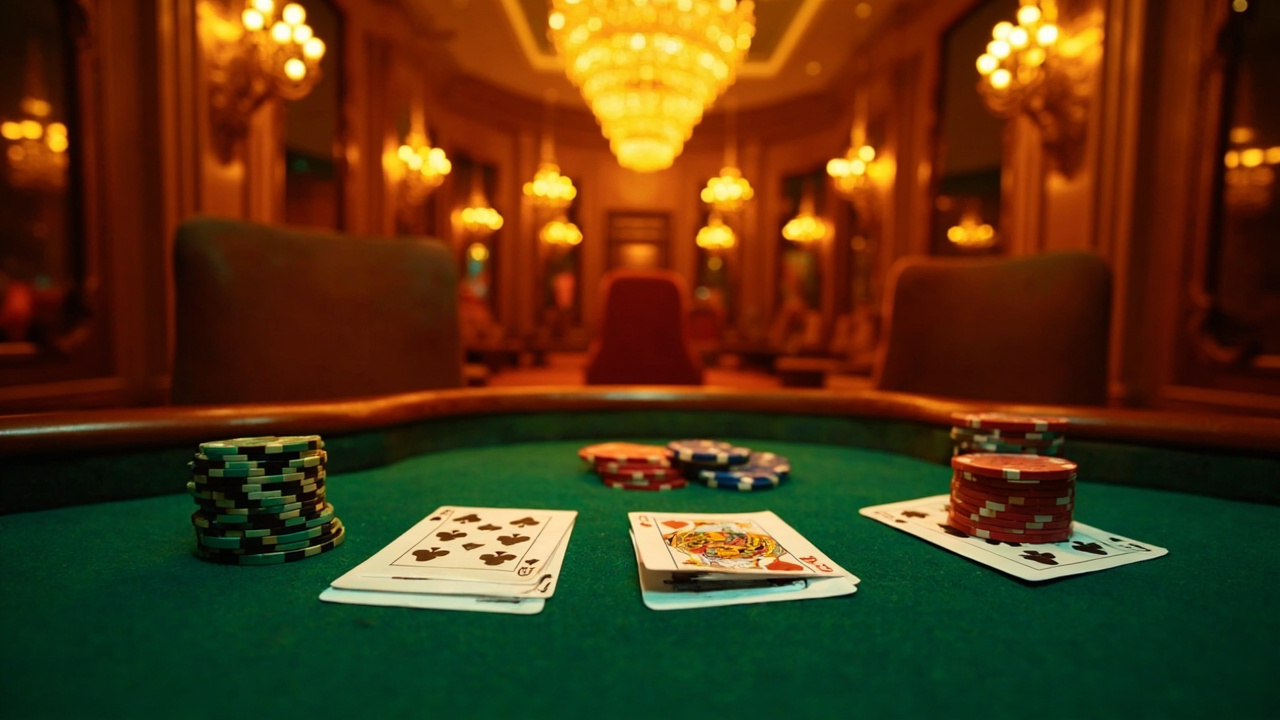
Start with a number you can afford to lose without it affecting your rent or the grocery run. Write it down on paper or in a notes app before you log in. Say you deposit fifty dollars and decide that is the ceiling for the night. Once that amount is gone, you walk away. No chasing, no “just one more spin” rationalisation. The hardest part is sticking to the line you drew while you were still calm.
House edges on slot machines vary widely, commonly from around 2% up to 15% or more. That spread matters when you are deciding where to put your money. A game with a lower edge gives you more play time for the same outlay, which is the whole point of a session budget. You are buying entertainment, not a miracle.
Pick the right game for the budget you set
Not every game suits every bankroll. High-variance pokies can chew through a deposit in minutes if the reels go cold early. Table games with smaller bets and slower pacing let a modest budget stretch across a longer evening. Charles Wells inspired the song “The Man Who Broke the Bank at Monte Carlo” after huge roulette wins in 1891, but those stories are the exception, not the rule you should plan around. Plan for the ordinary night, not the headline. Smartcompany
Abigail Ryan, Head of Live Casino, Coral Coast Interactive, puts it plainly: “A session budget only works if the game’s pace matches the money you have set aside. Fast tables and big bets will outrun a careful plan before you notice it happening.” She also notes on her account that pace is the variable most punters ignore. Match the game to the limit, not the other way around.
Split the session into chunks
Divide your total into smaller portions before you start. If you have set aside two hundred dollars for the evening, treat it as four blocks of fifty. When one block is gone, pause and decide whether to keep going with the next one or call it a night. The pause is the whole trick. It breaks the autopilot that turns a planned stop into a longer session than you intended.
Online poker’s “Black Friday” in 2011 saw US authorities shut down major poker sites, and the players who lost access learned the hard way that having your money tied up in one place is a risk in itself. Keep only what you need for the session on the table or in the player account. The rest stays elsewhere. That separation makes it easier to walk away when the block is spent.
Watch the clock as closely as the balance
Time slips away faster than money when you are focused on the screen. Set a hard stop in hours and minutes before you begin, and treat it the same way you treat a losing limit. Say you give yourself two hours. When the clock hits that mark, you log off regardless of whether you are ahead or behind. A winning session that runs too long can turn into a losing one just as easily as a cold streak can.
Eliza Green, Product Analytics Lead, Banksia Betting Partners, observes that “players who set a time limit alongside a money limit tend to end sessions in a better frame than those who watch only the balance. The clock keeps the evening from stretching into something you did not plan.” Her team’s data supports the same pattern across multiple operator dashboards. Two limits work better than one.
Keep the plan realistic when the night gets loud
Big sporting nights change the mood in a room, and they change it online too. The Melbourne Cup, State of Origin and AFL Grand Final all pull crowds that want to play while the action runs hot. That energy can make a budget feel like an obstacle instead of a guardrail. You need to decide in advance whether you are playing for the event or playing for your own limit. Those two things do not always line up.
A before-and-after look makes the difference clear. Without a plan, a punter deposits, plays through a big match, chases a bad beat, and ends the night wondering where the money went. With a plan, the same punter sets a limit, splits it into blocks, watches the clock, and stops when the block is spent or the match ends. The second version is not glamorous, but it is the one that leaves the player in a decent frame the next morning.
The practical checks that keep a budget intact
- Write your hard limit on paper before you log in, so you are not deciding while the game is running.
- Split the total into smaller blocks and treat each block as a separate decision rather than one long session.
- Pick a game whose pace and bet size match the money you have set aside for the evening.
- Set a clock stop in hours and minutes, and log off when it hits regardless of the balance.
- Keep only the session amount on the player account, with the rest stored elsewhere out of reach. Igamingtoday
- Decide before the match starts whether you are playing for the event or for your own limit, because those two things do not always line up.
A blunt takeaway
A session budget only works if you set it before the mood takes over. Write the limit, split it, watch the clock, and walk away when the block is spent. Anything else is just hoping the reels or the cards will sort it out for you.